










The Uzbekistan Art and Culture Development Foundation (ACDF), under the leadership of Chairperson Gayane Umerova, has officially announced the open call for the second cohort of the Aral School. Based in Nukus, Karakalpakstan, Uzbekistan, this interdisciplinary postgraduate programme is dedicated to studying and responding directly to the profound ecological transformations occurring within the Aral Sea region. Alongside the launch of the open call, renowned curator and researcher Joseph Grima has been appointed as the Programme Director for this upcoming cycle. The second cohort is scheduled to run from January to June 2027, focusing on the core themes of Climate and Landscape.
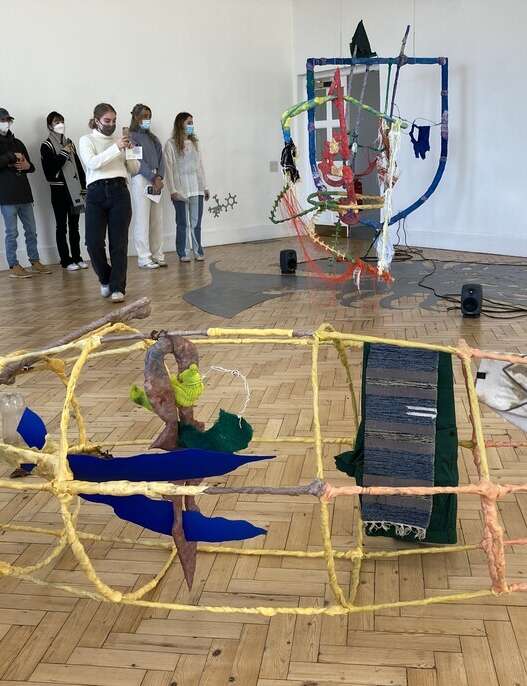
The initiative follows a successful pilot programme in 2026, which saw participants active at locations such as Toprak-kala in Karakalpakstan, bringing together a diverse group of international and local participants from Uzbekistan and Karakalpakstan. The Aral School aims to continue this collaborative effort, seeking practical and creative solutions for the social, cultural, and ecological regeneration of the region. By drawing on local traditions, indigenous knowledge systems, and the unique biocultural context of Karakalpakstan, the school aims to cultivate pioneering methods of learning and working across various professional disciplines.
A Vision for Regenerative Practice
Gayane Umerova, Chairperson of ACDF, emphasized the program’s unique position at the intersection of research and active intervention. She noted that the Aral School functions as a multidisciplinary investigative project committed to rigorous research and production as a form of regenerative practice. Through education and the transition of knowledge, the program seeks to weave deep ties between the local landscape, culture, and heritage. Umerova stated that this approach allows new narratives of humanity’s relationship with the environment to manifest in tangible forms, ultimately inspiring collective action and fostering a more sustainable future for both the Aral Sea basin and the wider planet.
Under the direction of Joseph Grima, the second cohort will approach the concepts of climate and landscape not merely as scenic backdrops, but as fundamental structural questions. The curriculum will investigate what specific territories produce the region’s essential food and water resources, and conversely, what territories these resources produce in turn. To achieve this, participants will examine soil composition, hydrology, wind patterns, salinity, irrigation infrastructure, the historical trajectory of agricultural development, and the overall cultural landscape. These elements will be analyzed as interconnected components of a single, complex ecological system.
A New Paradigm for Ecological Education
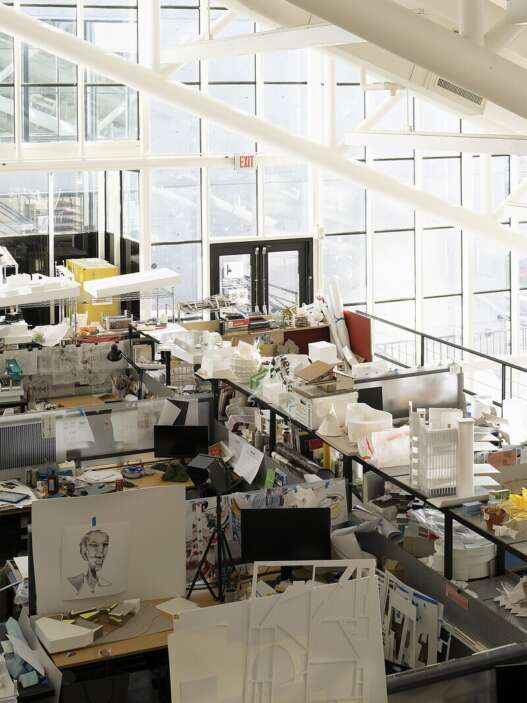
Reflecting on the structure of the program, Joseph Grima explained that the Aral School operates more like an active task force than a conventional academic institution or standard artist residency. Grima emphasized that primary learning takes place directly within the environment rather than inside a traditional classroom setting. The educational model is firmly built upon regional knowledge and the expertise of local institutions already operating on the ground. According to Grima, this hands-on, community-integrated approach represents a new paradigm for what a design and ecology school can achieve in the twenty-first century.
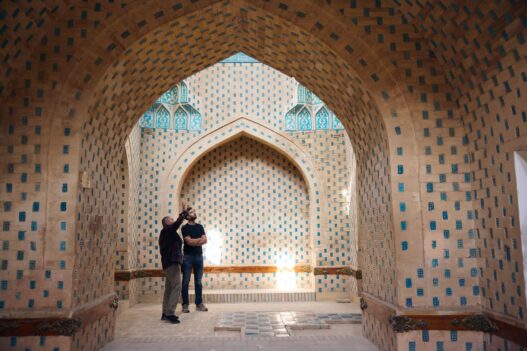
In preparation for the official announcement, Grima arrived in Nukus to conduct extensive field research and consult with local experts. He toured the Academy of Sciences of Karakalpakstan and visited several key regional sites, including the International Innovation Centre for the Aral Sea Basin, the Amu Darya, the historic river that once fed the Aral Sea, Park Istiqlol, and the ancient Mizdakhan necropolis. Throughout these site visits, Grima engaged with local scientists, architects, and historians. A central focus of his visit was ensuring a seamless knowledge transfer from the pilot program to the upcoming cycle, which involved reviewing previous projects focused on water and food, as well as addressing the unresolved questions identified by the first cohort’s alumni and mentors.
The Aral Assembly and Community Engagement
The launch of the open call was preceded by the Aral Assembly, which took place at the State Museum of Arts of the Republic of Karakalpakstan named after Igor Savitsky in Nukus. This landmark museum is celebrating its sixtieth anniversary this year, providing a historic backdrop for the event. The Aral Assembly served as a three-day knowledge-transfer program, uniting the alumni and mentors of the first cohort with the incoming leadership team for the second cohort, alongside a wide range of local and international experts and practitioners.
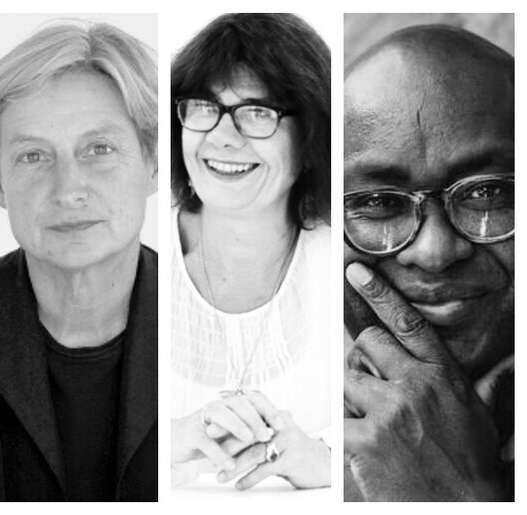
The three-day event featured keynote presentations by biosaline agriculture expert Kristina Toderich, Bobir Klichev, the director of Arc Architects, and Programme Director Joseph Grima. In addition to these presentations, the assembly hosted panel discussions focusing on communities, landscape, water management, and future ecological practices. The public program also included guided city walks led by alumni of the Aral School, community gatherings, film screenings, and live performances, fostering a deep connection between the school and the local population of Nukus.
Application Details and Eligibility
The open call is currently seeking applications from postgraduate practitioners from all over the world. The Aral School welcomes submissions from designers, architects, ecologists, engineers, scientists, and researchers who are interested in working at the intersection of design, science, and environmental advocacy. Selected participants will undertake a fully immersive six-month residency in Nukus, Uzbekistan, running from January to June 2027. The deadline for submitting applications to join the second cohort is October 25, 2026.