








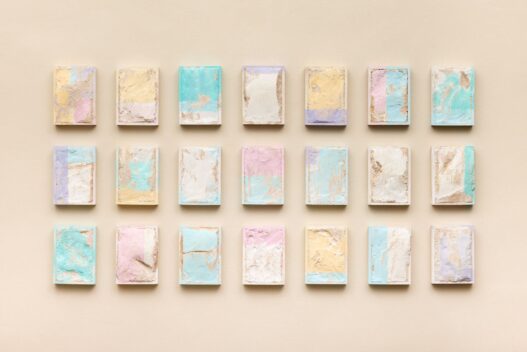
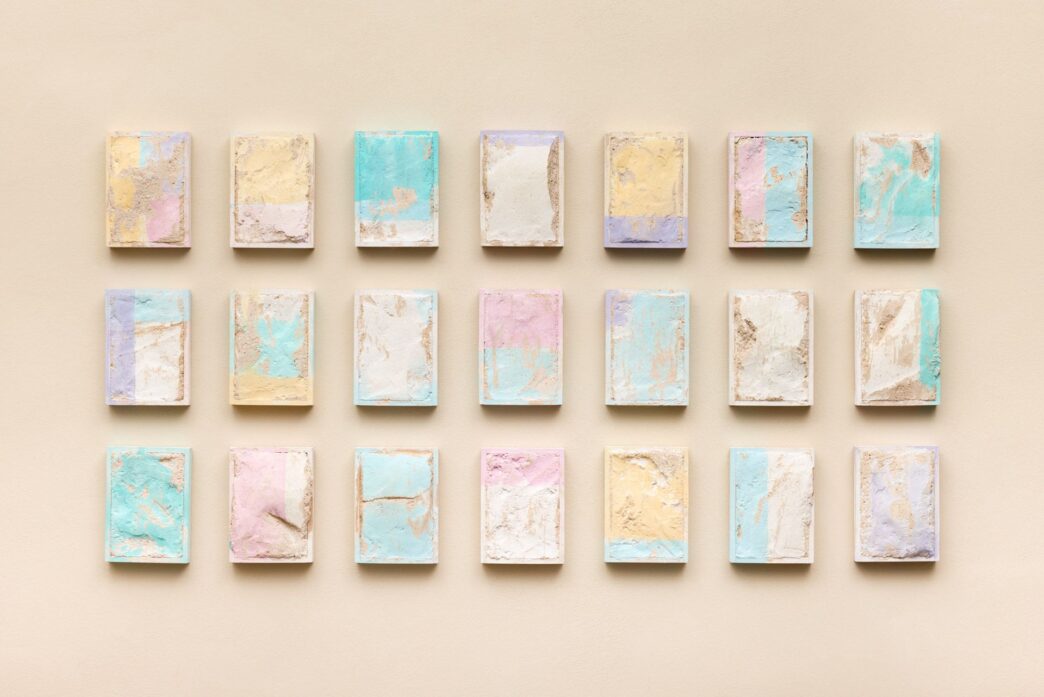
The Museum of Modern Art of São Paulo (MAM) and New York University (NYU) are convening a major international symposium titled “More Than Perfect: After It’s All Said.” Taking place at NYU, the day-long event serves as a critical academic and artistic extension of the 39th Panorama of Brazilian Art: After It’s All Said, currently on view at MAM São Paulo through January 24, 2026. The symposium brings together an influential gathering of scholars, visual artists, writers, and cultural practitioners to examine the intersections of critical theory, aesthetics, territory, and bodily experience across the Americas.
The event is co-presented by More-Than-Perfect: Explorations of Black T/Senses of Future, the Critical Racial and Anti-Colonial Study Co-Laboratory (CRACS), and the Department of Spanish & Portuguese Languages and Literatures at New York University. Support for the gathering is provided by the Ford Foundation. Together, these organizing entities aim to explore the complex dialogues and socio-historical connections between two major racial laboratories in the Americas: Brazil and the United States.
At the core of both the symposium and the exhibition is a philosophical inquiry posed by theorist Denise Ferreira da Silva. The project asks whether it is possible to cultivate a sensibility that presumes and anticipates what lies beyond all that has been said and done regarding colonial and racial violence, as well as the structural functions these forms of violence perform for global capital. Guided by this question, the symposium uses the concept of “reading art as a confrontation” to probe how contemporary aesthetic production can challenge established historical narratives and create alternative pathways toward liberation.
The 39th Panorama of Brazilian Art
The 39th edition of the Panorama of Brazilian Art is curated by Diane Lima. Held at the Museum of Modern Art of São Paulo, this iteration features works by 33 artists representing 11 states across Brazil. The exhibition investigates how profound epistemological shifts over recent decades, driven in part by societal demands for racial reparation and the institutional achievements of affirmative action policies have transformed contemporary Brazilian artistic practice.
Through her curatorial framework, Lima builds upon Ferreira da Silva’s philosophical grounding to analyze how artists engage in radical exercises of the imagination. By challenging the limits of traditional aesthetic representation through distinct poetic and compositional methodologies, the participating artists demonstrate an ongoing and collective movement toward systemic liberation.
A Legacy of Institutional Dialogue
Established in 1969, the Panorama of Brazilian Art is a biennial exhibition organized by MAM São Paulo. As one of the most enduring and prestigious fixtures on Brazil’s contemporary art calendar, each installment presents a distinct curatorial perspective that engages with urgent contemporary debates and reflects the expansive diversity of artistic production nationwide. The exhibition series continues to strengthen vital dialogue among artists, cultural institutions, and global audiences.
Symposium Program and Schedule
The symposium unfolds through a structured series of panel discussions, keynotes, and collaborative conversations, bridging critical theory with creative practice throughout the day:
10:00 AM – 10:15 AM: Welcome and Institutional Remarks
The symposium opens with welcoming statements and institutional remarks outlining the day’s themes.
10:15 AM – 11:45 AM: Curatorial Propositions
Curator Diane Lima presents the conceptual and curatorial propositions of the 39th Panorama. The session is introduced by Cauê Alves, chief curator at MAM São Paulo, and moderated by researcher Giovanna Querido.
11:45 AM – 12:00 PM: Coffee Break
Attendees gather for a mid-morning coffee break.
12:00 PM – 1:30 PM: Poetics, Aesthetics, and Coloniality
Denise Ferreira da Silva, theorist Fred Moten, and scholar David Lloyd join in conversation, moderated by Diane Lima. The discussion brings together perspectives spanning Black studies, poetics, aesthetics, coloniality, and the underlying conditions of contemporary thought.
1:30 PM – 2:45 PM: Lunch Break
The symposium pauses for lunch.
2:45 PM – 4:15 PM: Keynote Presentation
Renowned artist Rosana Paulino delivers the afternoon keynote address, introduced and presented by Nathalia Carneiro. Paulino’s influential practice engages with memory, racialization, gender, and the enduring effects of transatlantic slavery in Brazil.
4:15 PM – 4:30 PM: Break
An afternoon interlude before the final session.
4:30 PM – 6:00 PM: Artistic Practices, Territory, and Materiality
The final session features visual artists Rose Afefé and Iagor Peres—both of whom are participating artists in the 39th Panorama—in conversation with writer and critic Zoë Hopkins, translated by Mel Adún. The speakers focus on artistic practices that directly engage with territory, physical materiality, and the body.
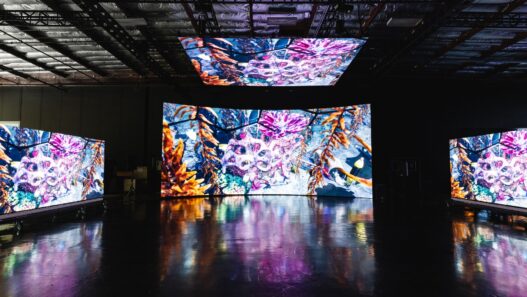
Exhibition view photography for the 39th Panorama of Brazilian Art: After It’s All Said (2026) at the Museum of Modern Art of São Paulo is captured by photographer Ding Musa.


